Laya: one more System One model
A few days after Jev shipped, an open-source alternative called Laya showed up. Comparing the two System One models on speed, accuracy, context size, and the authorship dispute around Laya.
AI
Read more →
Frontend engineering: architecture, performance, tooling, and the web platform
A few days after Jev shipped, an open-source alternative called Laya showed up. Comparing the two System One models on speed, accuracy, context size, and the authorship dispute around Laya.
TypeSafe AI shipped Jev, the first model in a new category called System One Models. A look at what it actually does, what stands out, and when it's actually worth using.
Continuing the series on interview prep fundamentals. Today let's talk about event bubbling, why events bubble, and what that means.
Continuing the interview prep series. The value of this depends on how the function is called — not where it's defined. Call, apply, bind, and how to avoid losing context.
Continuing the interview prep series. let and const are preferred over var — this is common knowledge. Let's look at why and how it all works.
Continuing the interview prep series. After the event loop and closures, the next topic is hoisting. It comes up less often, but "variables get hoisted" is too weak an answer. Let's see how it works under the hood.
Continuing the interview prep series. After the event loop, the next must-know topic is closures. They come up constantly.
Every time I'm job hunting, I refresh my knowledge on the basics, because the theory tends to fade over time. Event loop almost always makes it onto my review list, since it's one of the most likely topics on a technical interview. This time I decided not just to review it, but to write an article.

Pelmeni and frontend development are more connected than you'd expect. A technical guide.
The designer uses Atomic Design in Figma. The dev team wants FSD. Can you use both? What the official FSD docs say, where the friction is, and what actually works.
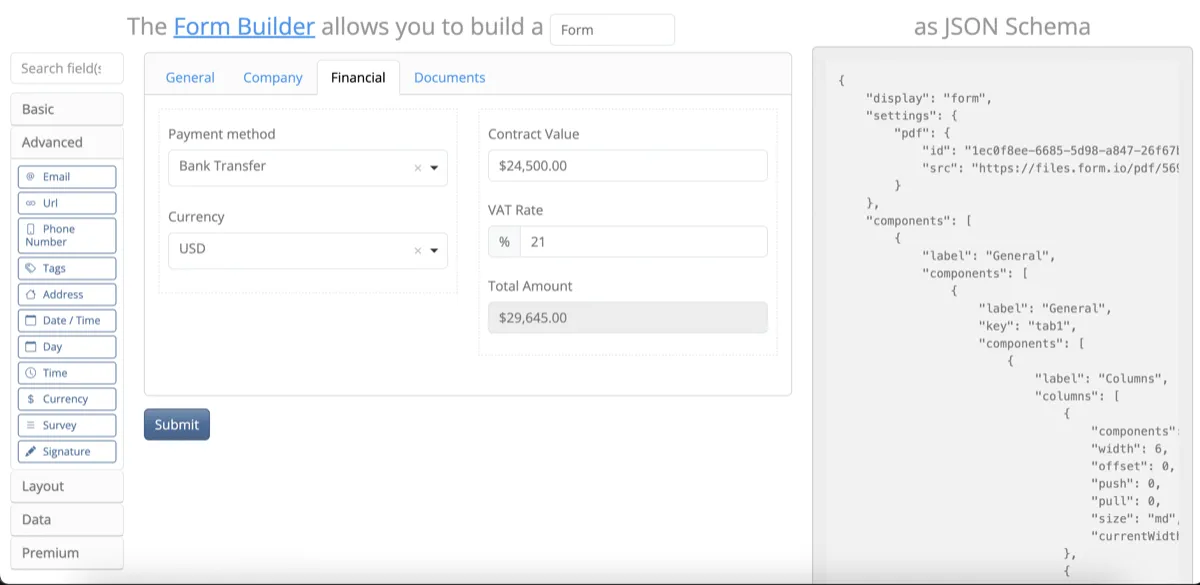
How I implemented a drag-and-drop form builder with Form.io, built custom components, solved circular dependency cycles, and took form creation out of the hands of developers.
Hundreds of components in one folder, Button next to ConfirmModal, Input next to Header. What Atomic Design is, how its five levels work, and when three of them are enough.
Every year someone publishes 'jQuery is dead'. jQuery didn't get the memo. On the gap between what's trending and what's actually running in production.
Five developers, a year of work, 300+ files in the components folder. What Feature-Sliced Design is, how its six layers work, and when you actually need all of them.
Vibe coding gets all the attention, but I found the real value of AI somewhere completely different — in the boring work that used to take forever.
A war story from early in my career: I dropped a production database in the middle of a workday. What happened, how I fixed it, and what changed after.
Early in my career I spent a week on a widget that could've been done in a day — because the PM baked the solution into the task instead of the problem.
A few years ago I quietly stopped using a mouse. Then I opened one of my old projects and found the login form didn't work with the keyboard. The same form I once shipped as a finished feature.
First Vue project in production after years of React. What surprised me, what felt familiar, and why the switch took a week, not a month.